
Plywood, laminates, tiles, sanitaryware, facade systems, fire safety equipment. Building materials brands sell through a chain that most marketing playbooks were never written for, and the standard D2C advice actively misfires here.
Your buyer is not the person who chooses you
In most building materials categories the homeowner pays, but the carpenter, contractor, architect or dealer decides. That single fact breaks the usual funnel. Consumer-facing advertising builds a name the end customer recognises, but the specification happens in a conversation you were not part of, in a shop you do not own, between two people who both have margin at stake.
So the real question is not how to reach more homeowners. It is which of these you are trying to move:
- The dealer, who stocks what sells and pushes what pays.
- The applicator or contractor, who recommends what does not create callbacks.
- The architect or specifier, who writes brands into drawings months before purchase.
- The homeowner, who increasingly arrives having already searched, and asks for a brand by name.
Each needs different content, different channels and different measurement. Most building materials marketing fails because it is aimed at all four at once, in one tone, and lands with none of them.
What actually drives demand in this category
Search intent is technical, not aspirational
People do not search for beautiful plywood. They search for grade comparisons, IS certification meanings, thickness for a specific application, warranty terms, whether something is genuinely boiling-water proof. These are unglamorous, high-intent queries with far less competition than category head terms, and they are where a specification decision actually gets made.
Trust is built on proof, not adjectives
Every brand in this category claims durability. The ones that convert publish the certification, show the test, explain what the standard actually means, and are specific about what the product will not do. In a category full of identical claims, being the brand that explains something honestly is a genuine differentiator.
The dealer network is a distribution channel and a content channel
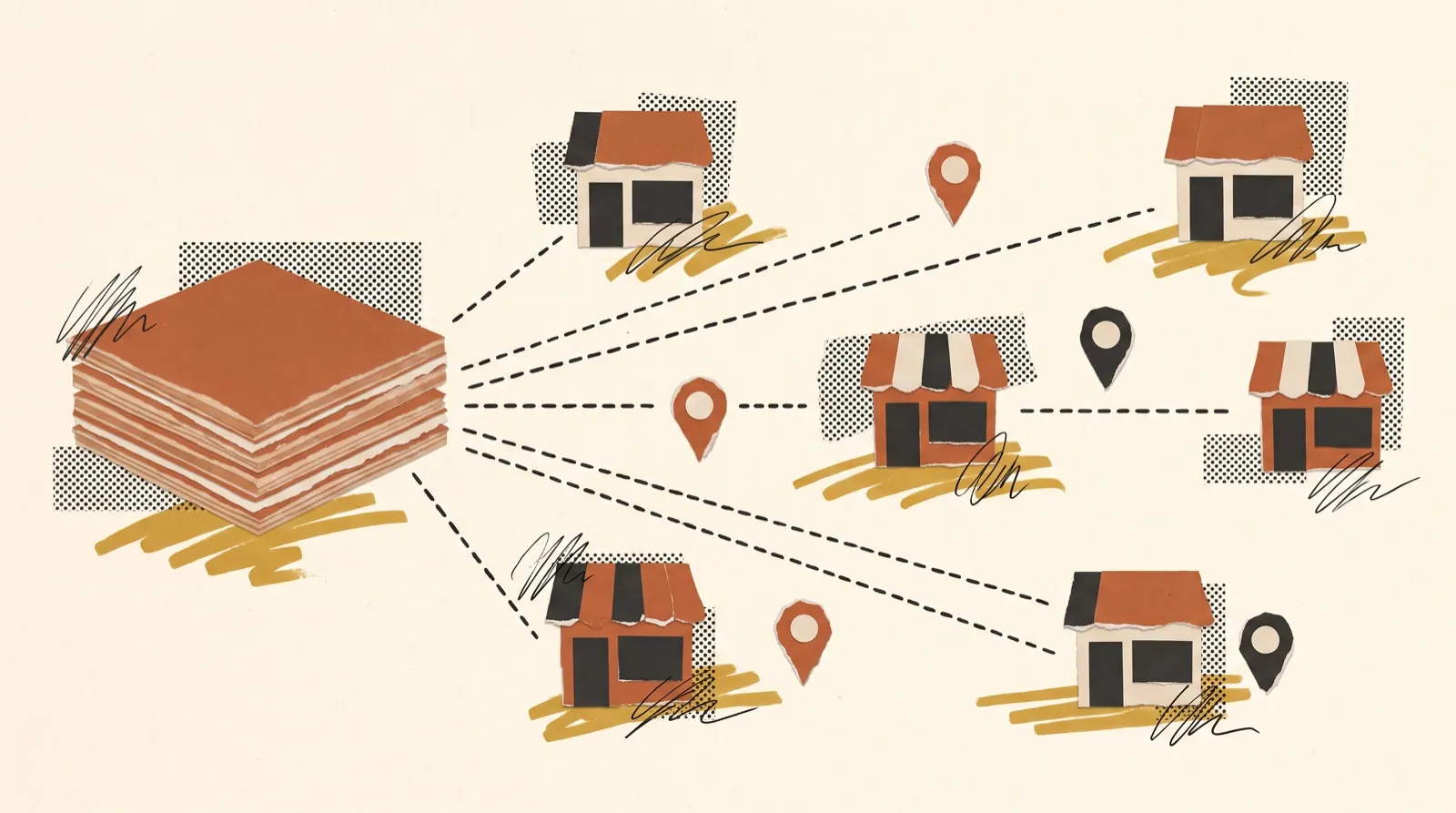
Dealers have local relationships and no marketing capacity. Brands that arm them with usable assets, catalogue material and localised presence get pushed harder at the counter than brands that only run national campaigns. This is one of the most underused levers in the category.
The specification cycle is long
An architect who encounters your brand today may specify it eight months from now. That makes attribution difficult and patience necessary, and it means content that ranks and stays ranked outperforms campaign bursts that stop the day the budget does.

What we actually do for building materials brands
The sequence matters more than the list. For most brands in this category it runs roughly like this.
Fix what the specifier finds first
Product pages that state grade, standard, application and warranty plainly, because that is the information the decision actually turns on. A site that hides the specification behind a brochure download loses the person who was ready to specify.
Own the technical searches
Comparison and standard-explainer content targeting the unglamorous queries the category ignores. These rank faster than head terms, and they attract people at the moment of decision rather than the moment of daydreaming.
Build the dealer layer
Localised presence so the brand shows up in the towns where the dealers are, plus assets those dealers can actually use. Distribution and search reinforce each other here in a way they do not in most categories.
Give the category something to look at
Product visualisation, application videos and installation content, produced at a volume traditional shoots cannot fund. AI production makes a catalogue of hundreds of SKUs economically viable to shoot properly.
Run performance where intent exists
Paid search on high-intent technical and brand terms, not broad awareness spend. In a long-cycle category, paid works best to capture demand you have already created rather than to manufacture it.
Where building materials marketing usually goes wrong
- Selling to the wrong person. Beautiful homeowner-facing campaigns while the dealer counter conversation goes unarmed.
- Claims without proof. Every competitor says durable. Nobody publishes the test.
- Catalogue as PDF. A downloadable brochure is invisible to search. Specification content needs to live on indexable pages.
- Expecting quarterly results from a nine-month cycle. Judging specification-led categories on monthly lead counts means abandoning the work just before it compounds.
- No local presence. National brand, zero visibility in the twenty towns that actually drive volume.
How we measure it
Dealer and distributor enquiries, specification and sample requests, branded search volume as recognition builds, and rankings on the technical terms that precede purchase. Not impressions, and not follower growth.
Where the cycle is genuinely long, we say so and report leading indicators honestly rather than dressing brand activity up as conversion. A category where the decision takes eight months should not be reported on as though it takes eight days.
Does digital marketing work for a category sold through dealers?
Yes, but differently. The work splits between demand generation that makes end customers ask for you by name, and enablement that makes dealers and contractors willing to recommend you. Both matter; only one is visible in a typical ad dashboard.
How long before we see results?
Technical search content typically starts moving in three to four months. Specification-led results take longer, often two to three quarters, because the buying cycle itself is long. Paid search on high-intent terms produces enquiries faster.
We already have a catalogue. Is that enough?
A PDF catalogue is useful for dealers and invisible to search engines and AI answers. The same content published as indexable product and application pages does both jobs.
Should we advertise to homeowners or to the trade?
It depends on who controls the decision in your category and price band. Premium products with visible finishes lean consumer; commodity and structural products lean trade. Most brands need a weighted mix, not one or the other.
If you make building materials and want an honest read on which lever matters first, tell us the goal. Related: what digital marketing actually costs in India and questions to ask before hiring an agency.